
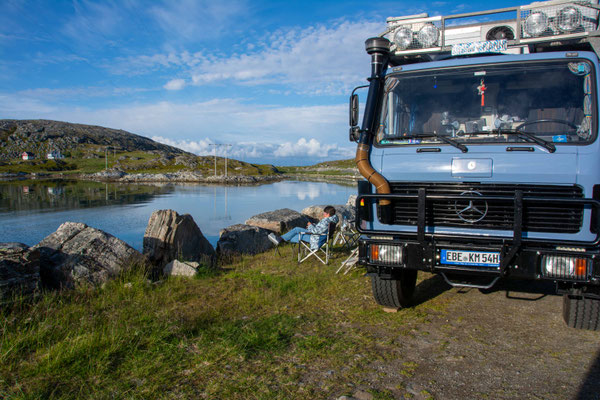
After visiting the North Cape, we need a break to process all the impressions from the last few days. We turn right onto the next side road and drive all the way to Gjesvær. The archipelago off the coast of this small fishing village is one of Europe’s most famous bird sanctuaries. Huge colonies of puffins, white-tailed eagles, and other wildlife nest here. Unfortunately, there are no tours today due to rough seas.
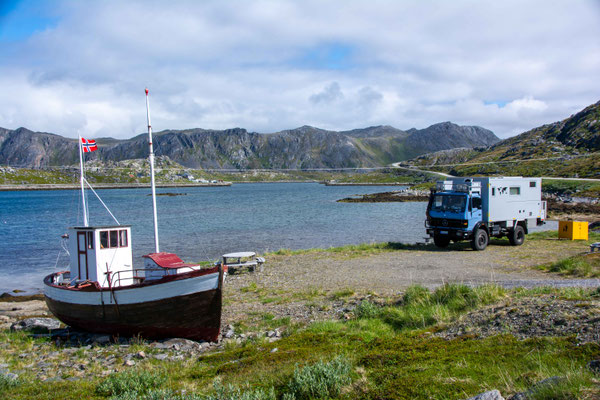
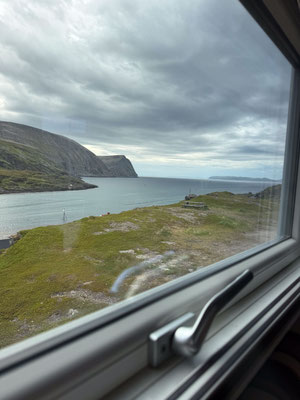
The next morning, we leave the idyllic village and, a short while later, turn onto the next 100-km side road, which takes us along a picturesque route to Havøysund. If you drive 5 km up the mountain from there, you’ll reach the Arctic Cafe—a concrete block in the middle of nowhere that defies the wind and weather here. We have a lovely spot with a view of the bay and even spot a dolphin.
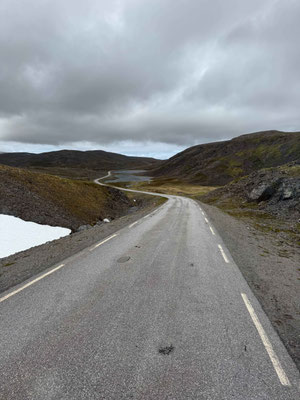
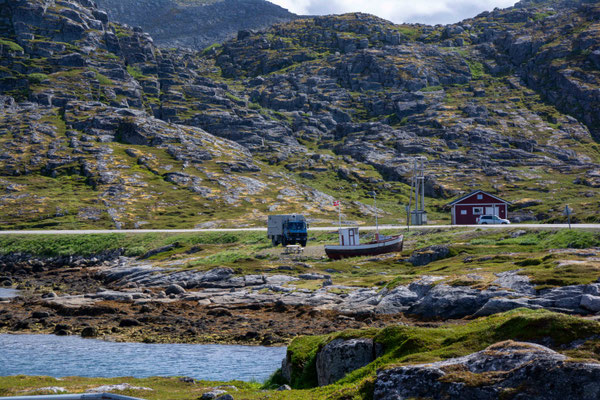
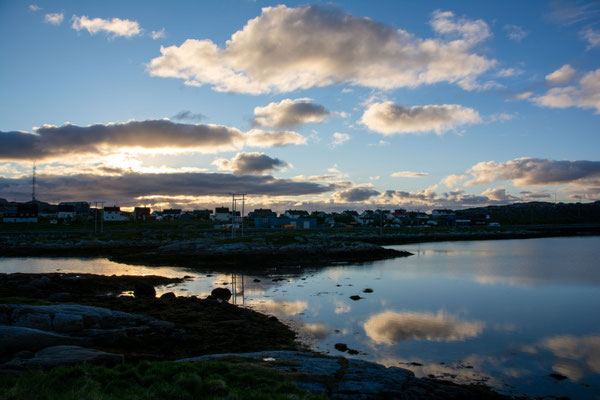
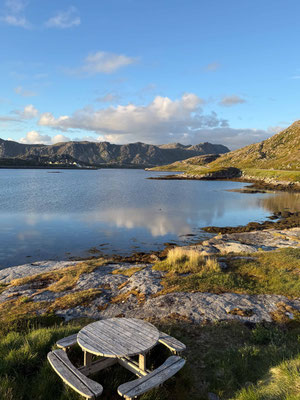
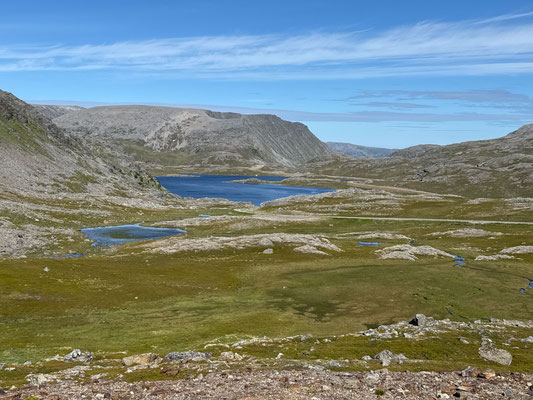
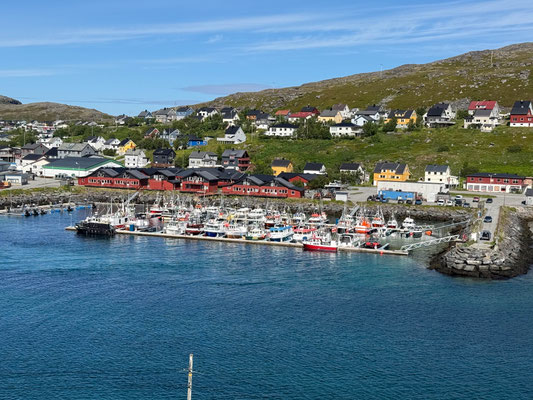
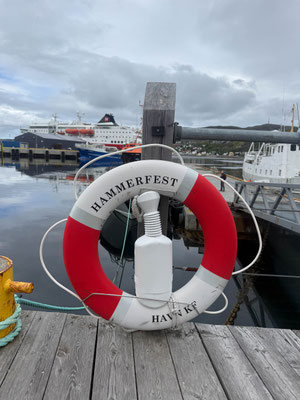
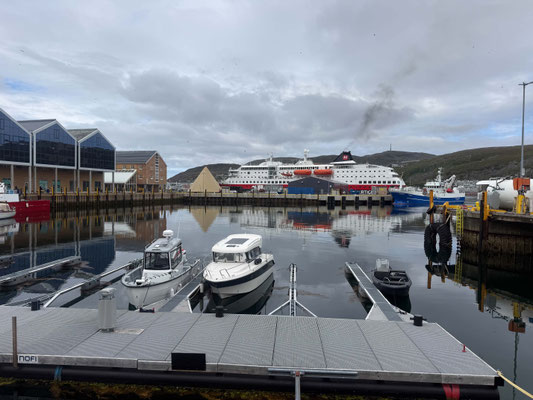
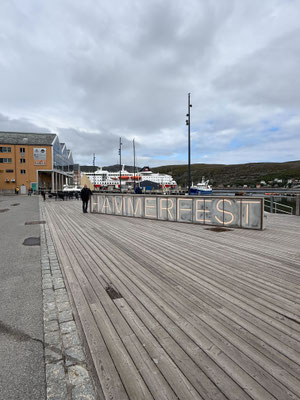
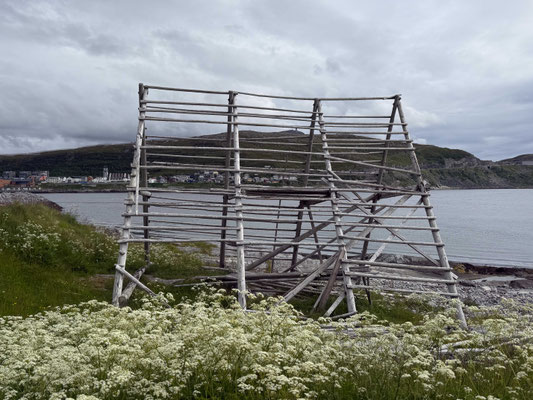
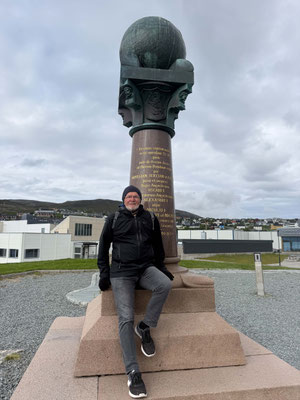
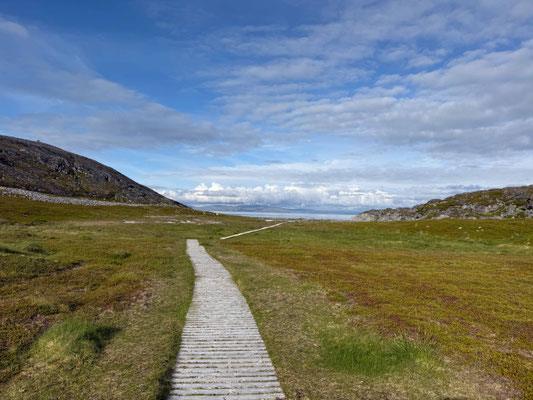
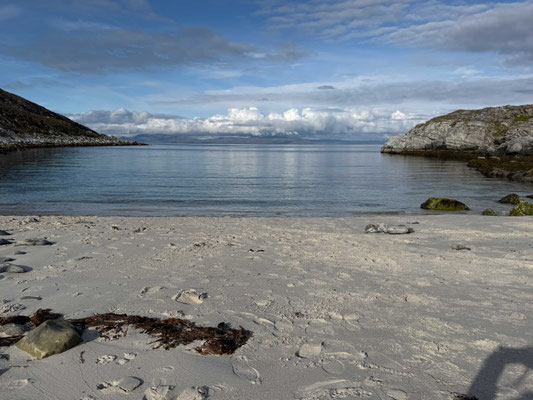
We drive across the imposing Kvalsund suspension bridge to Hammerfest. The town was long considered the “northernmost city in the world” and is today heavily influenced by fishing and the gas industry. We take a walk through town and visit the harbor and the church. After lunch, we head to Meridian Point, located at the other end of the bay. It’s a historic monument on the Fuglenes Peninsula and marks the northernmost measurement point of the Struve Geodetic Arc, which has been a UNESCO World Heritage Site since 2005. Just so you know! The town isn’t really pretty, and it strikes us as very loud and hectic. We get the impression that every one of the 7,000 residents is out driving today. We drive 8 km to the other side of the bay to a parking spot by the water. From there, a lovely walk along a boardwalk leads to a sandy beach with turquoise-blue water, just like in the Caribbean. If it were just 20 degrees warmer, we’d be immediately tempted to dive into the cool water.
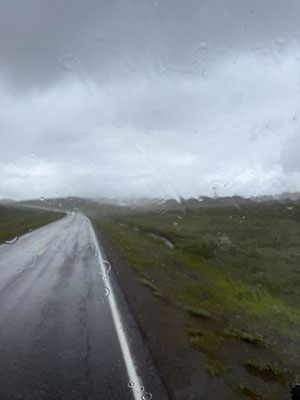
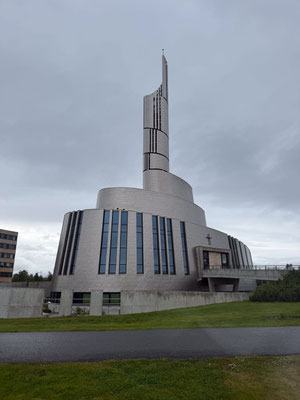
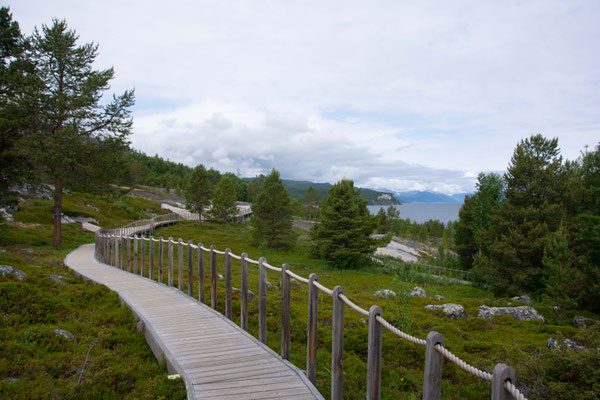
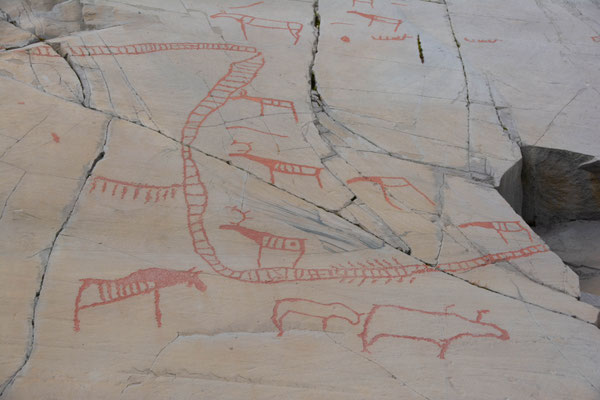
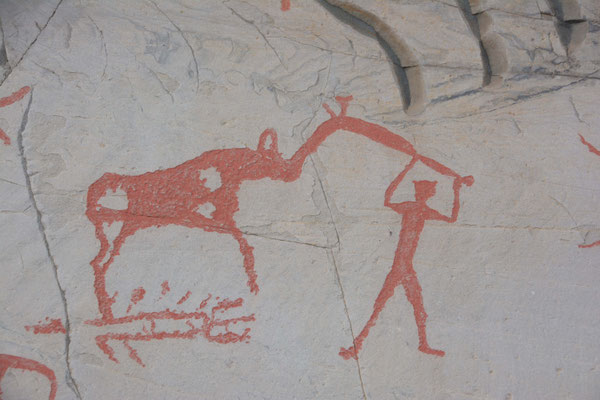
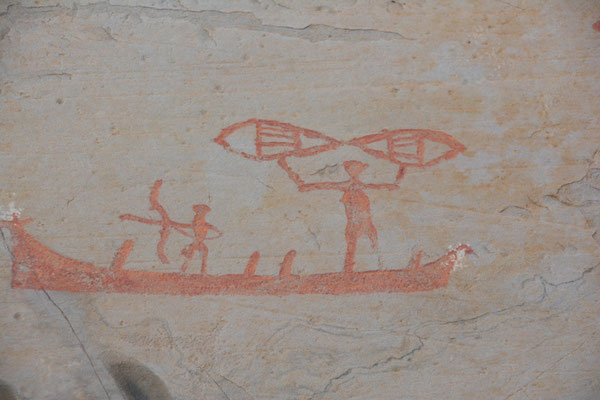
Today it rains only once, and it rains all day. We continue on to Alta, which, with 22,000 residents, is the largest city in the Finnmark region. In the city center, the spiral-shaped, titanium-clad Northern Lights Cathedral towers overhead. It was consecrated in 2013 and is spectacularly illuminated at night. We would have loved to see it, but there’s no night at the moment, so the lighting isn’t an option either. The next morning, we visit the Alta Museum, which houses over 4,000 prehistoric rock carvings. A wooden boardwalk leads directly to the millennia-old works of art under the open sky.
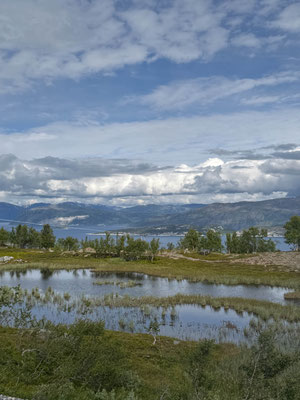
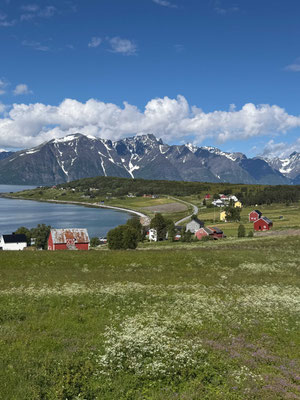
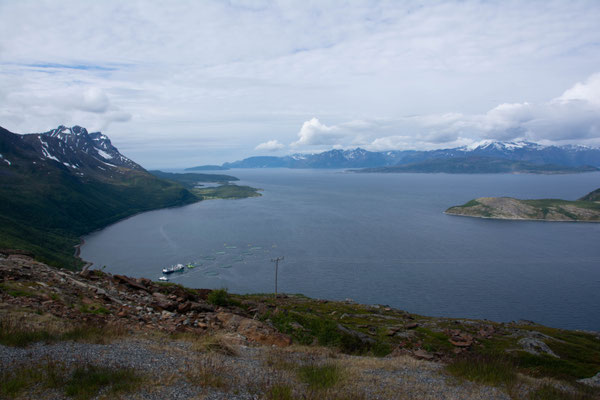
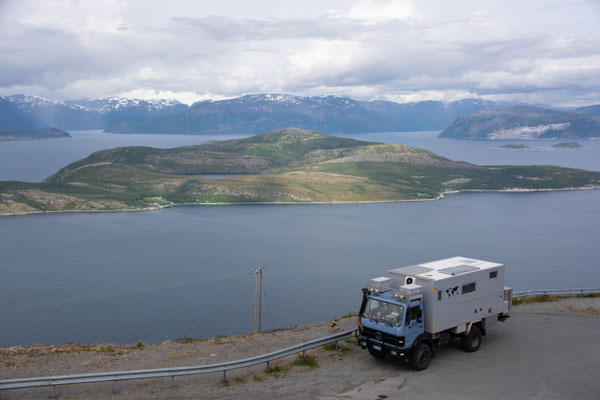
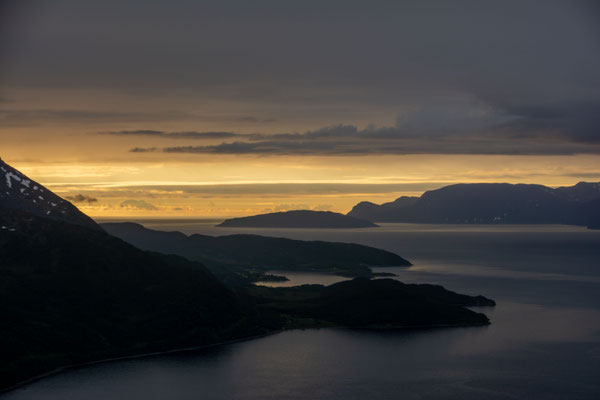
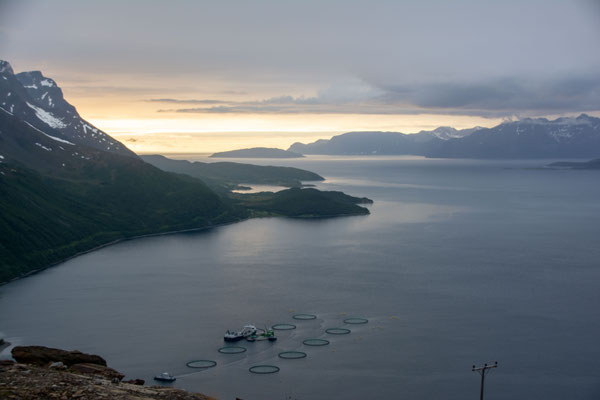
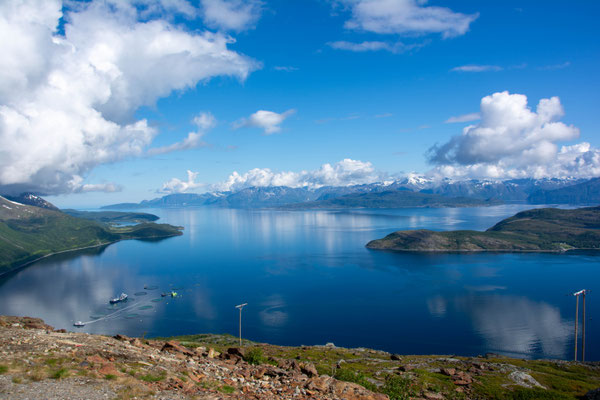
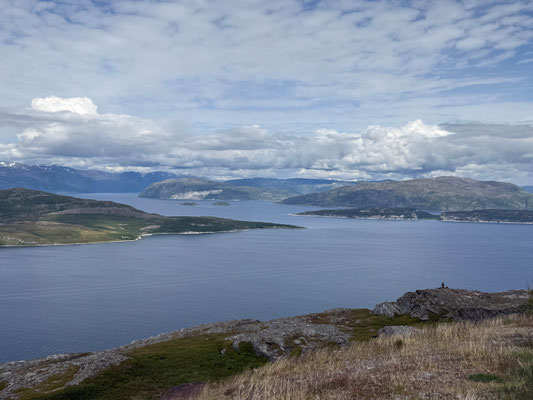
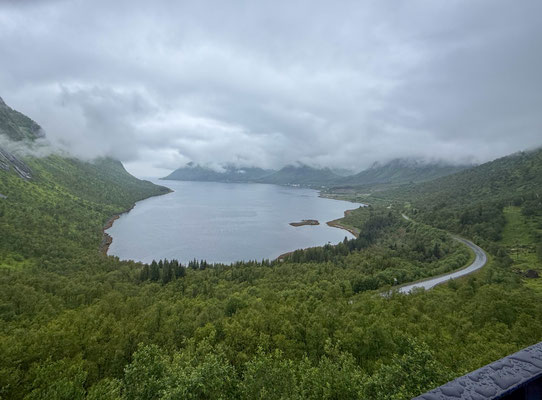
It’s still just under 400 kilometers to Tromsø through the rugged fjord landscape. The road follows the coastline, passing through many tunnels and winding its way up and down through the mountains and valleys. We find a beautiful spot to spend the night on the old E6 mountain pass road, with a magnificent view of the fjord landscape.
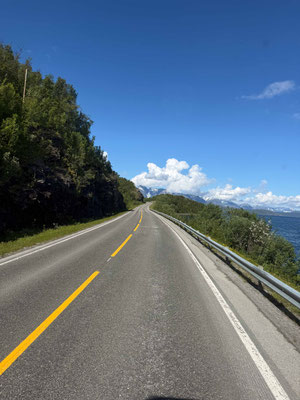
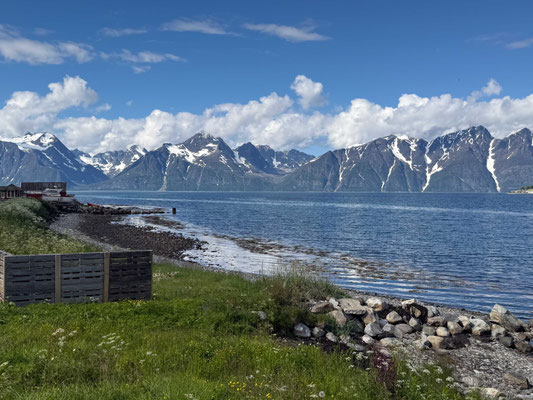
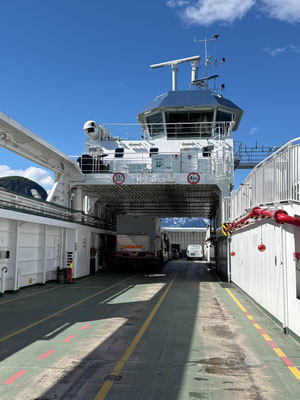
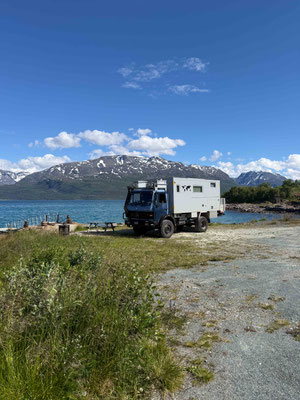
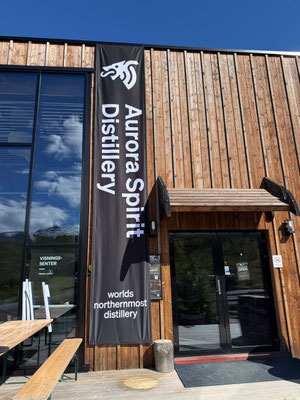
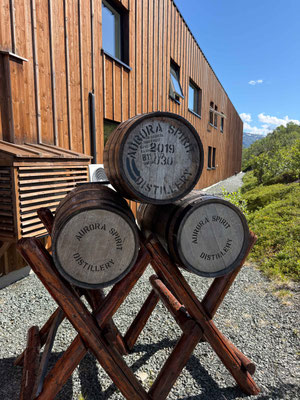
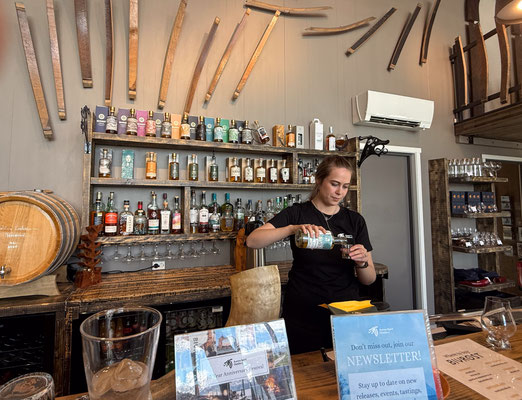
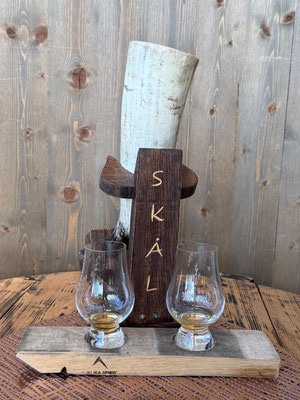
We take the ferry to Lyngset and, right after leaving the dock, turn sharply right onto a narrow road for a few kilometers until we reach the Aurora Distillery. There, we have a beautiful campsite right on the water. From there, it’s just a few steps to the whiskey tasting in a wonderful setting.
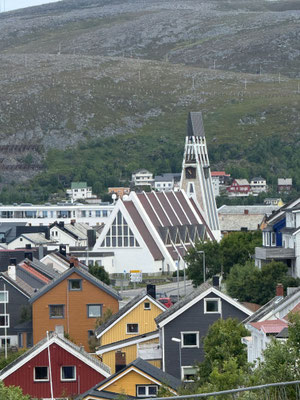
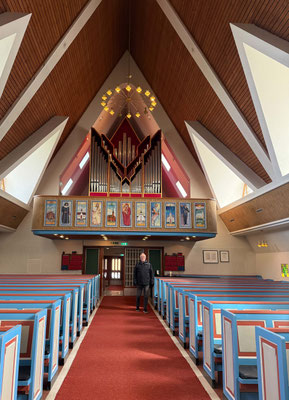
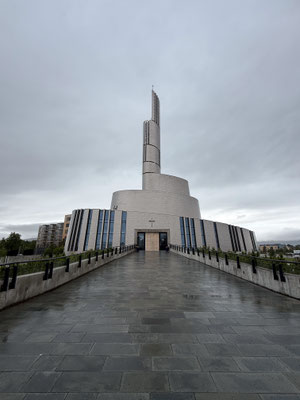
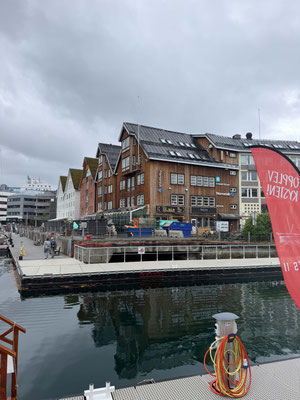
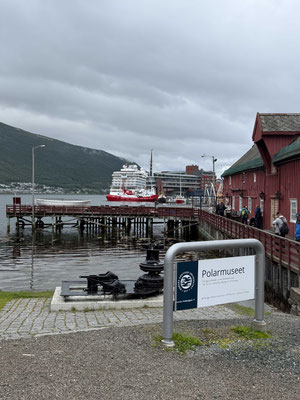
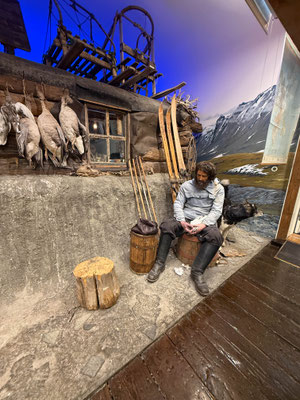
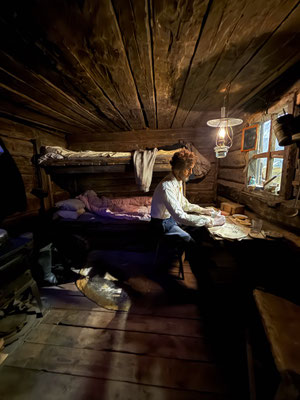
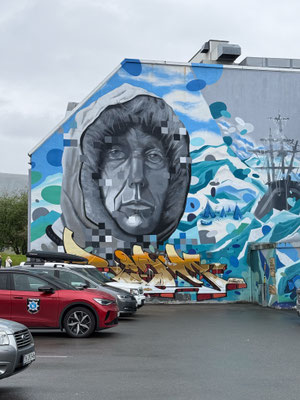
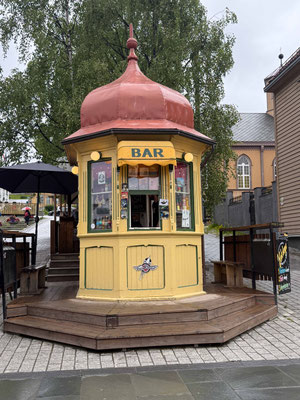
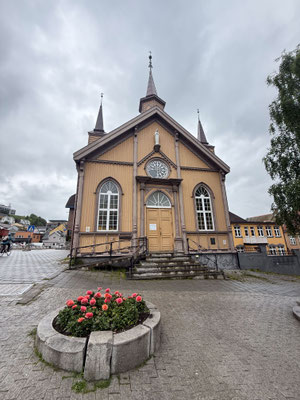
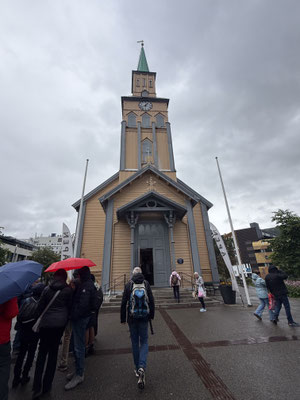
In Tromsø, we park just outside the city and take the bus into the center. There are currently two large cruise ships in the harbor, so the city is quite crowded. We visit the Polar Museum, where you can learn in great detail about the legendary Arctic expeditions from 1830. It’s unbelievable what hardships these adventurers endured back then. To refuel, we then grab the world’s best hot dog at the historic 1911 stand in the market square. Since we hardly ever eat hot dogs, we have nothing to compare it to and just have to take the “world’s best” claim at face value. Just around the corner is the wooden cathedral from 1861. We continue on to the Arctic Cathedral, the city’s modern landmark with extraordinary architecture reminiscent of ice blocks. We didn’t go inside because the line at the entrance was endless. Instead, we paid a quick visit to the world’s northernmost brewery. The historic pub offers 72 different types of beer fresh on tap. It’s not a cheap treat, considering it costs 15 euros for a half-liter.
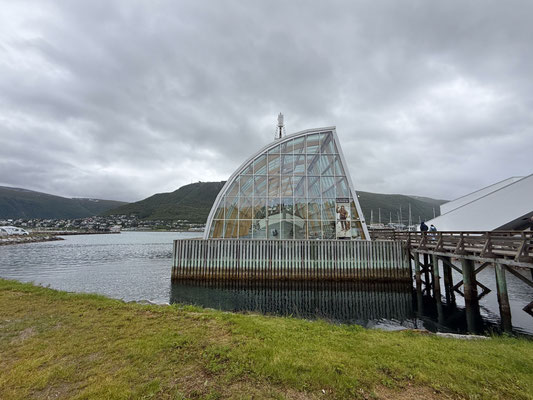
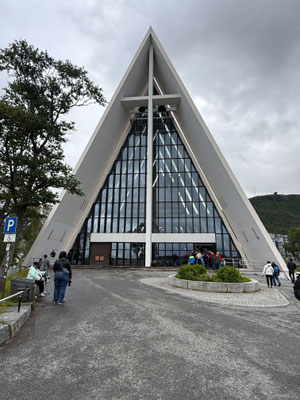
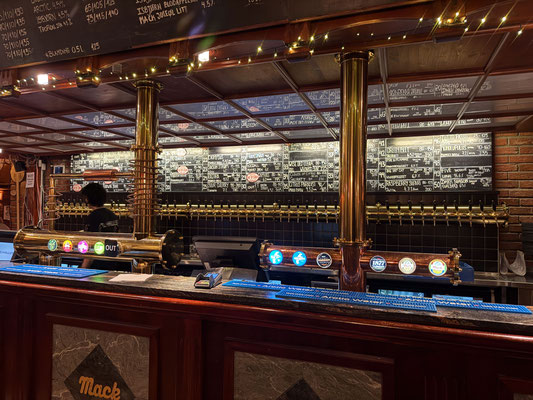
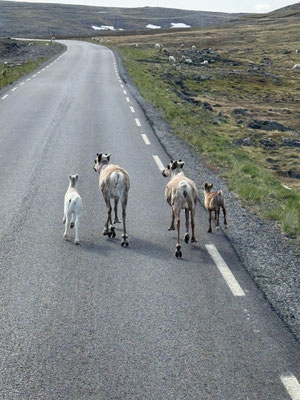
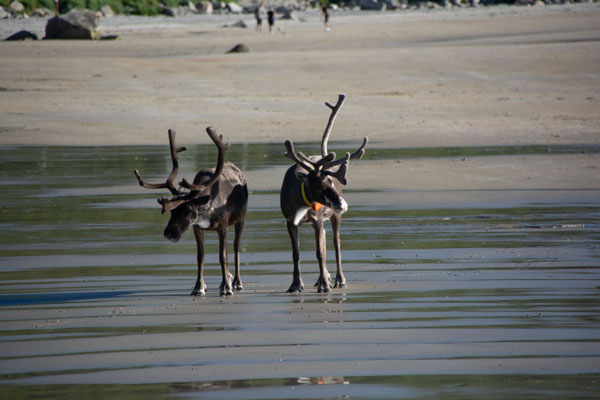
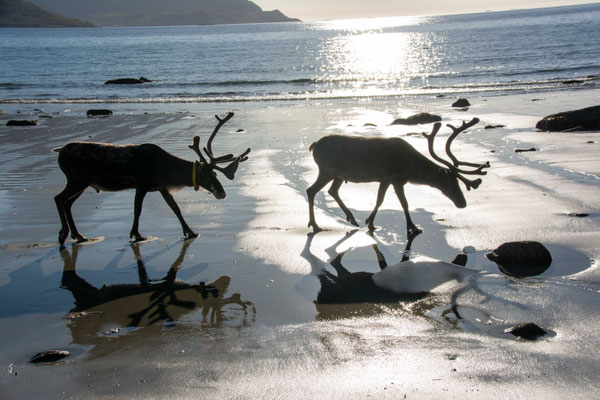
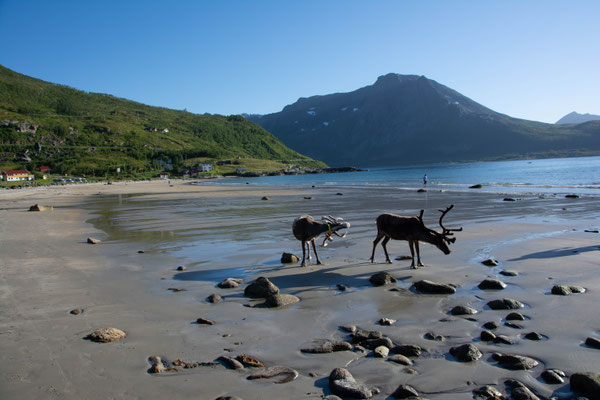
For the night—which, strictly speaking, doesn’t really exist at this time of year—we drive 40 km out to Grotfjord. There, we head to the campground to do some laundry and relax for a few days. The campground is right on the fjord, with a beautiful sandy beach where reindeer occasionally wander. With sunshine and a temperature of 18 degrees, we stay for three days and take a little vacation.
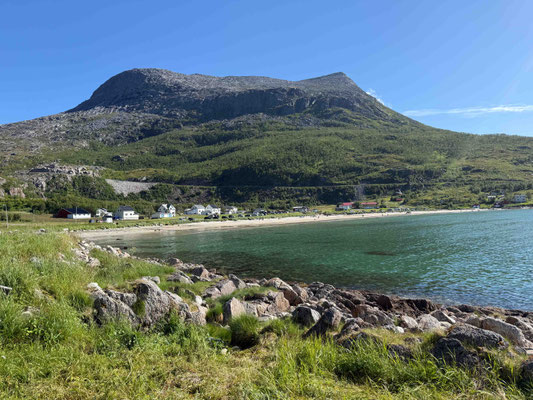
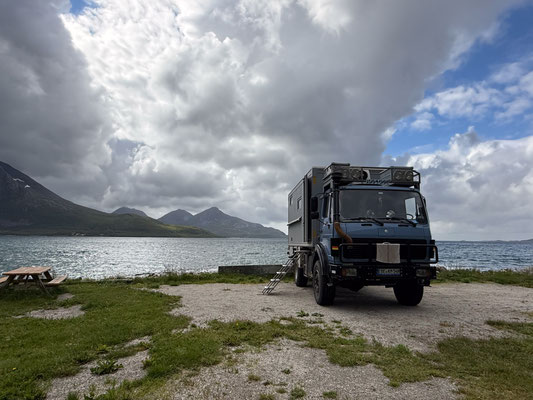
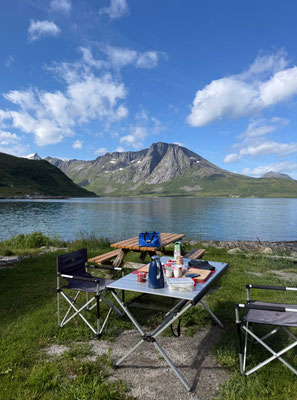
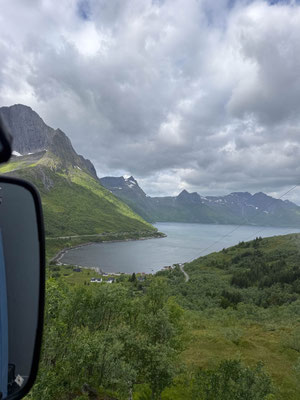
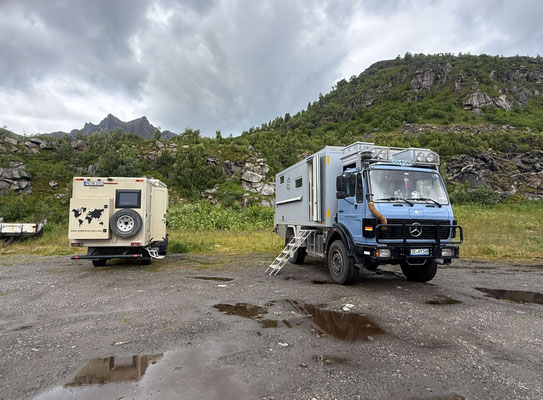
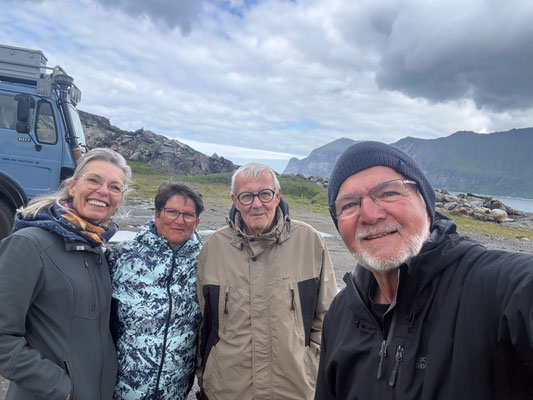
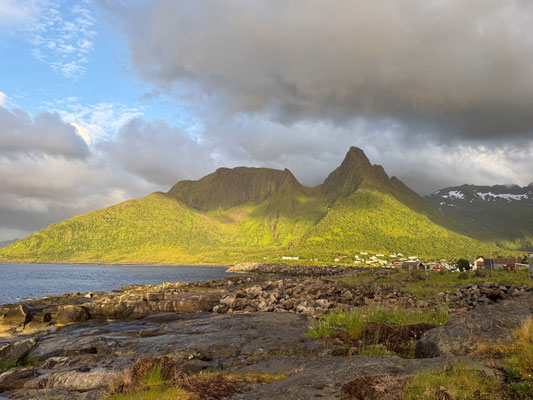
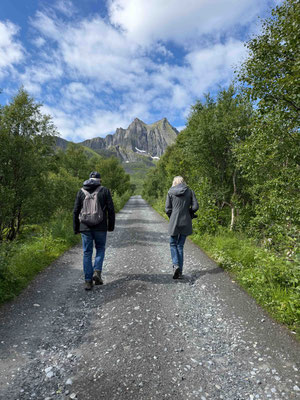
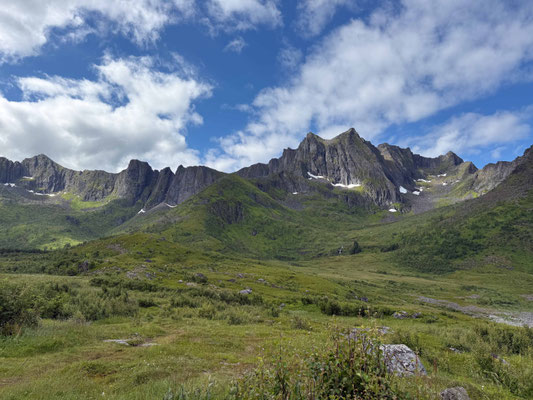
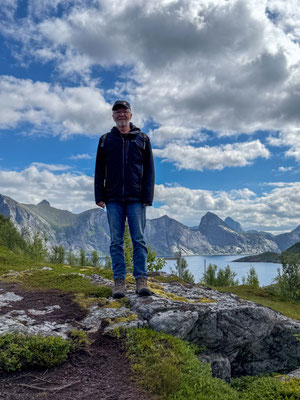
Well-rested, we take the ferry to Senja in the afternoon and follow Route 862 there—one of the country’s many spectacular routes, as the travel guide grandly promises. The roads are narrow and winding, leading through tunnels that are sometimes single-lane, which we barely manage to squeeze through. Our destination is Metfjord, where we meet up with our travel friends Heike & Bernd. The two of them have also been on the road in their Toyota for more than 13 years, and we’ve met up a few times in South America and Oman. We spend two relaxing days together, go hiking on Mount Knuten, and have plenty to talk about. Then our paths part again—they head north and we head south.
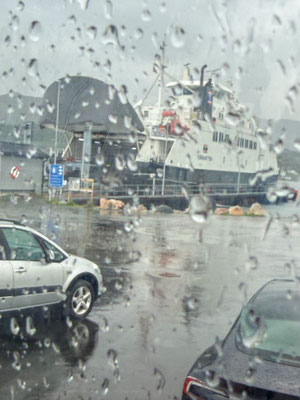
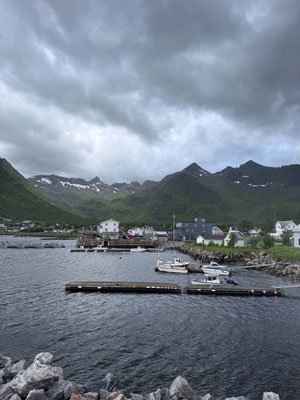
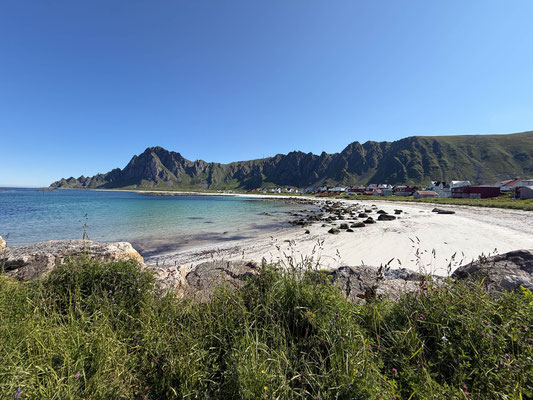
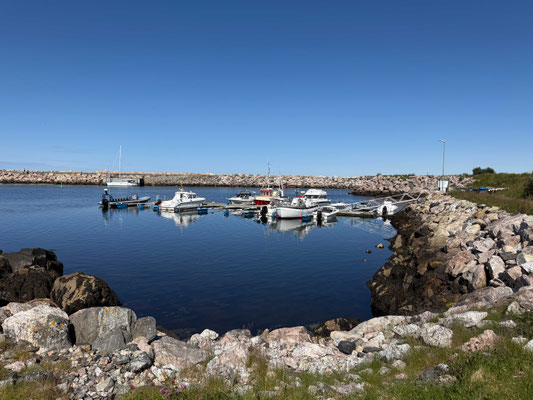
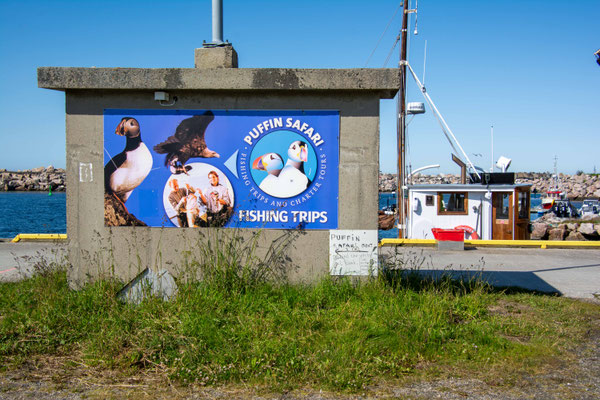
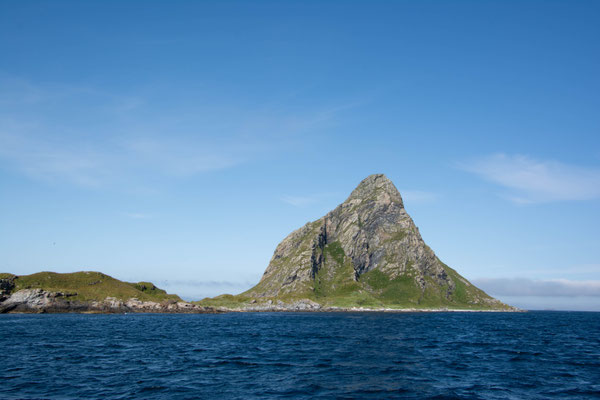
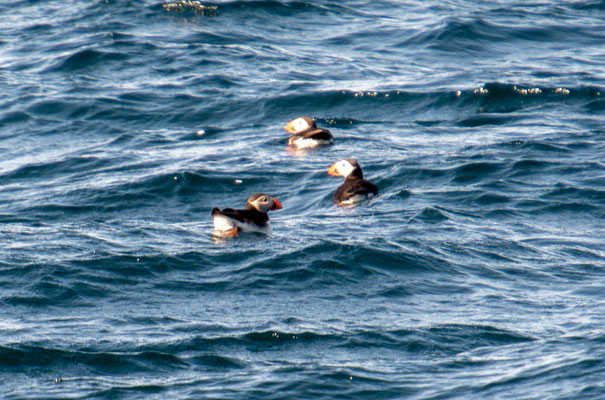
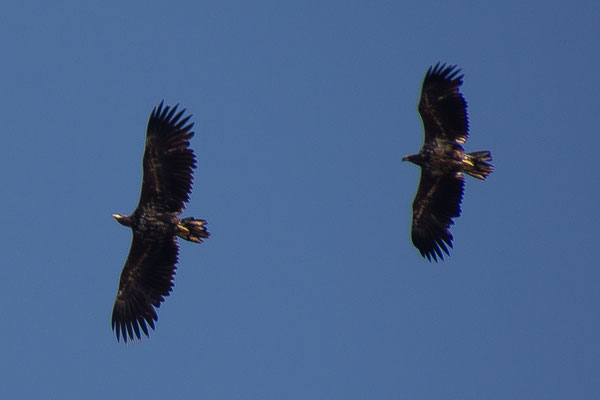
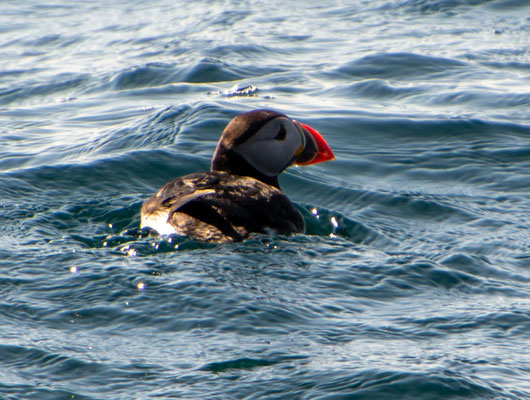
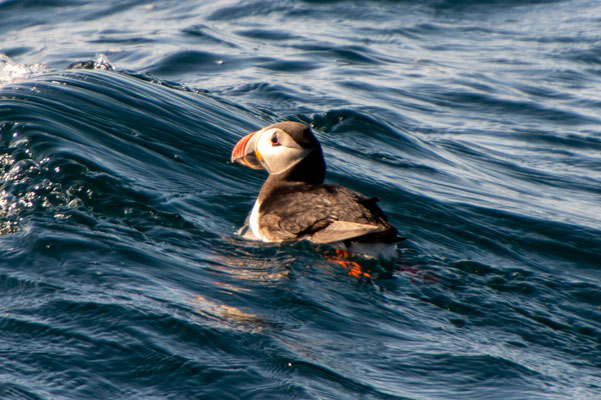
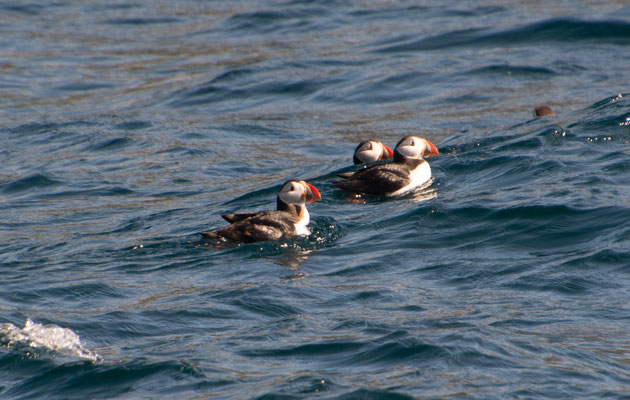
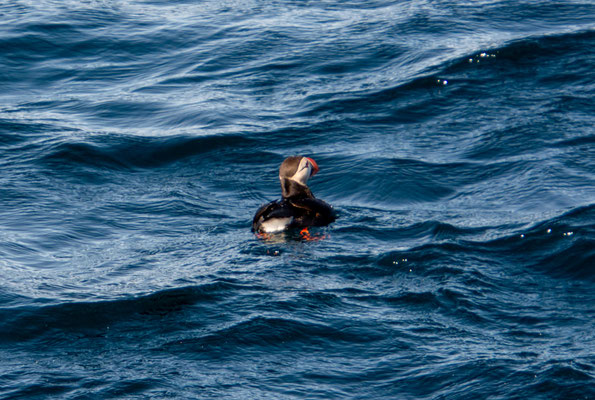
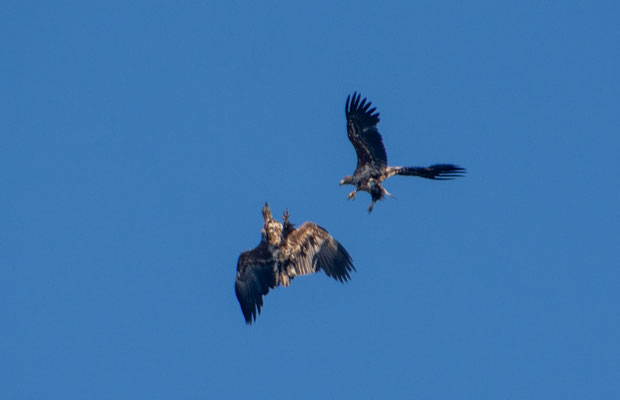
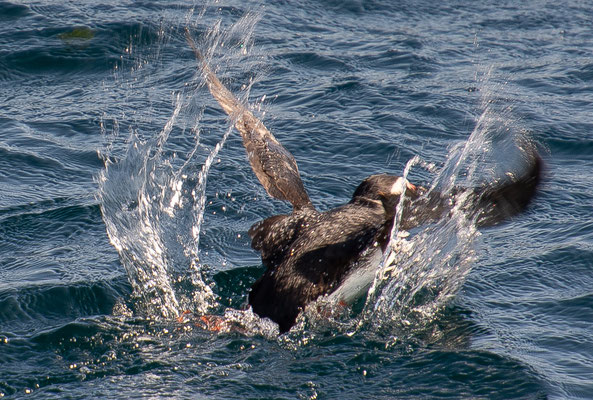
In the afternoon, we take the ferry to Andenes on the Vesteralen Islands and drive a few kilometers further to the campground in Bleik. From there, we can walk to the boat dock where the Puffin Safaris tours depart. Two years ago, we were in Newfoundland two weeks too early, and there weren’t any birds there yet. Today, our timing is better. A small fishing boat carrying 10 passengers takes us on a 15-minute ride to the bird cliffs, where these adorable creatures can be found from May through August. Eighty thousand pairs of puffins nest here on the grassy slopes of the island. The colorful birds fly in huge swarms, circling the cliffs. High above the puffins, majestic white-tailed eagles circle, preying on the birds. Puffins spend most of the year alone on the open Atlantic and return to the same Arctic breeding colonies only in the spring to reproduce. They are monogamous and often use the same nesting cavity with the same partner for decades. Each female lays only one egg. After an incubation period of about 6 weeks, the chicks are fed in the nest for 40 days. To do this, the parents fly out to sea several times a day and can carry up to 30 small fish across their beaks. After six weeks, the parents abruptly stop feeding the chick and leave the colony. The hungry chick waits a few days until its hunger becomes too great, then sets off alone under the cover of darkness, crawls out of the burrow, and immediately swims out into open water. It will not return to land for the next three years. The boat tour lasts 90 minutes and it´s really worth it.
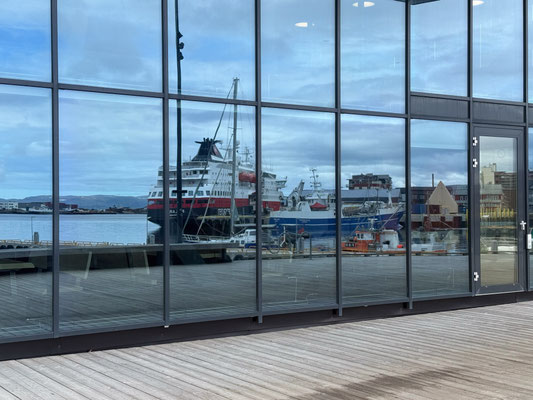
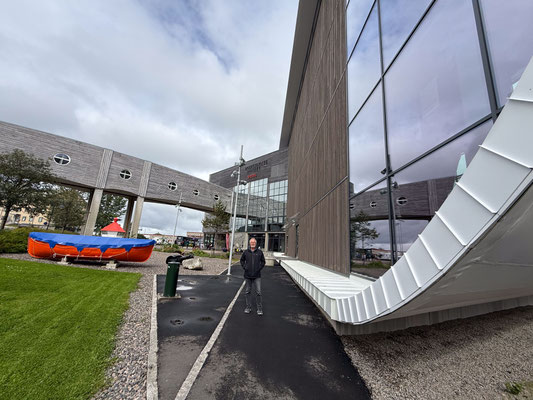
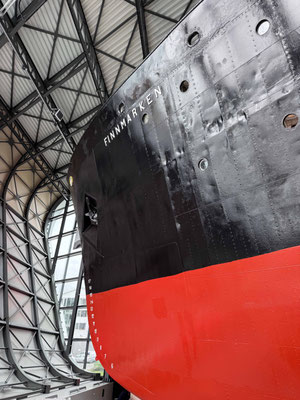
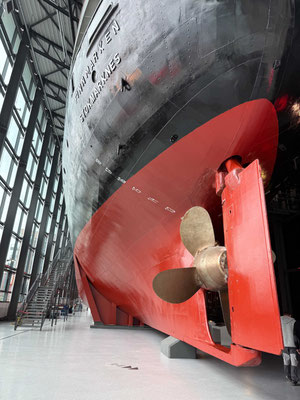
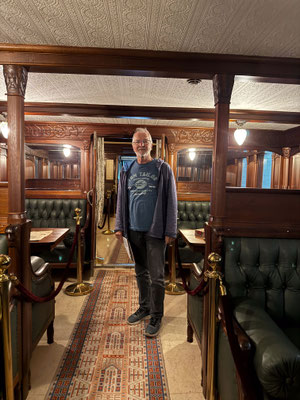
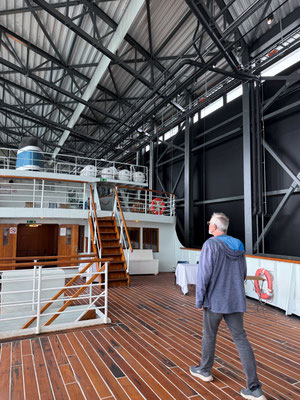
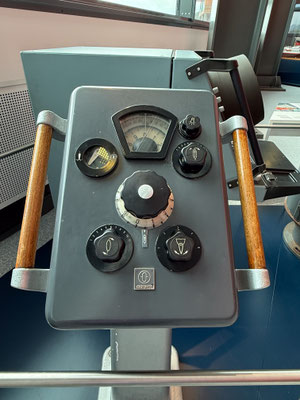
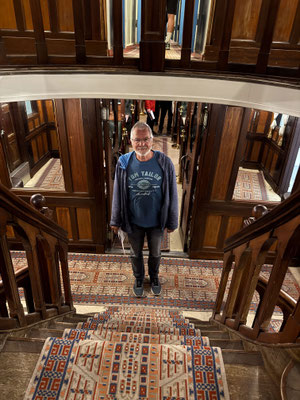
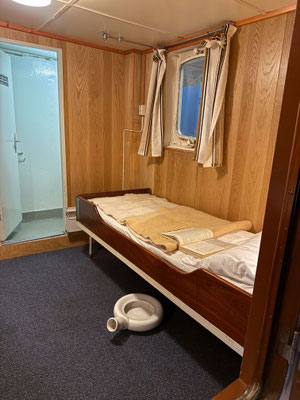
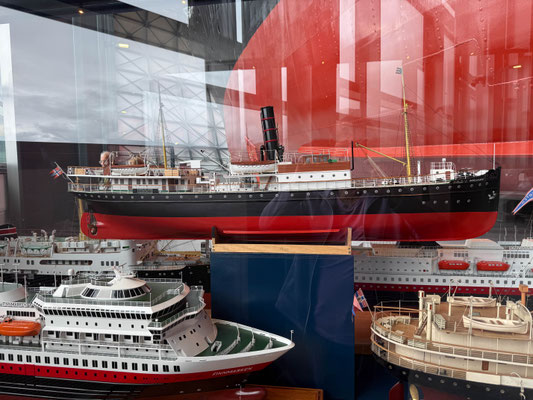
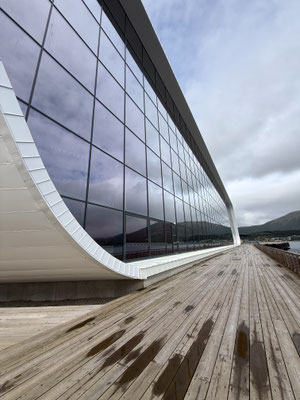
Before continuing our journey by ferry to the Lofoten Islands, we’ll visit the Hurtigruten Museum in Stokmarknes. The absolute highlight of the exhibition is a complete, decommissioned Hurtigruten ship from 1956, around which a gigantic, modern glass building has been constructed. You can walk all over the historic MS Finnmarken, explore the bridge, and see the original passenger cabins from the 1950s. It’s a very worthwhile visit.
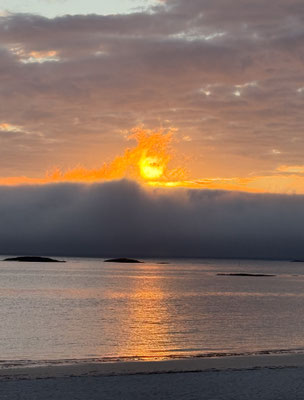
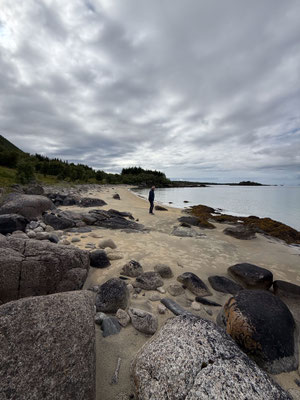
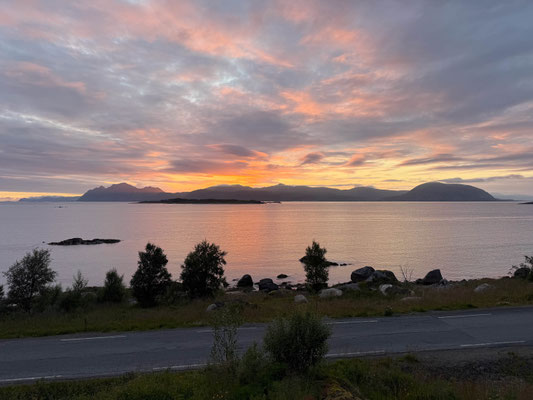
In the afternoon, we take the ferry to Fiskebøl in the Lofoten Islands. Not far from the pier, we find a beautiful campsite with a great view of the mountains, the sandy beach, and the midnight sun.
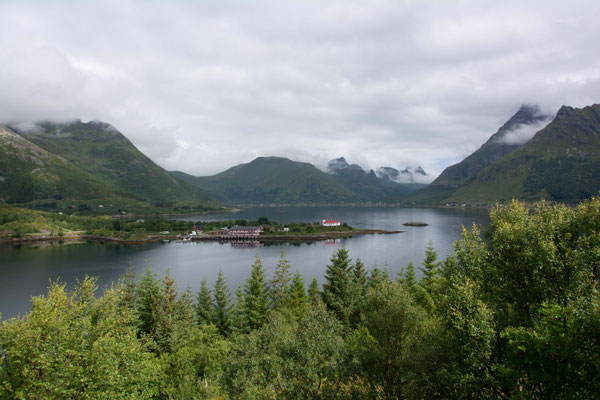
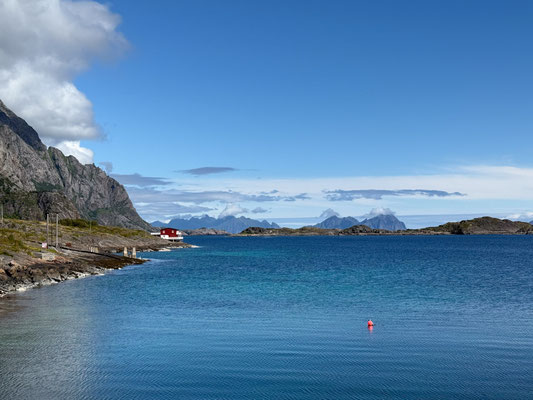
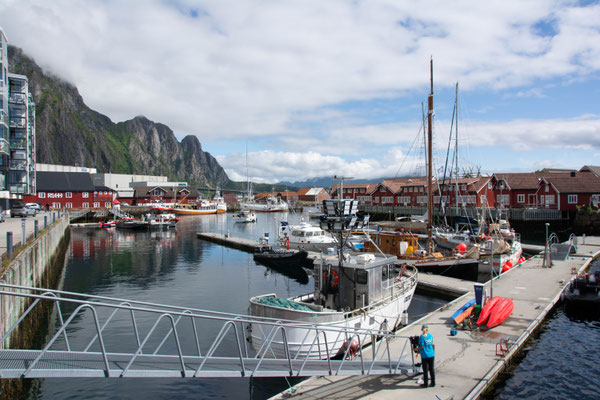
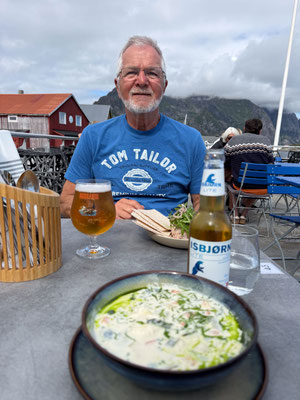
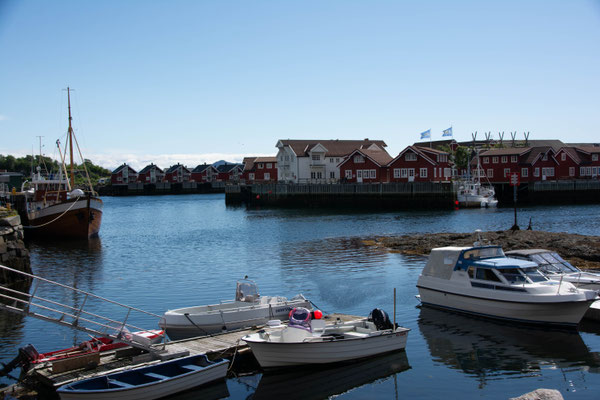
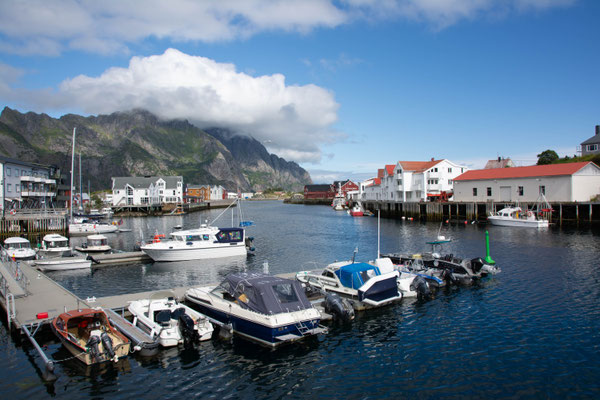
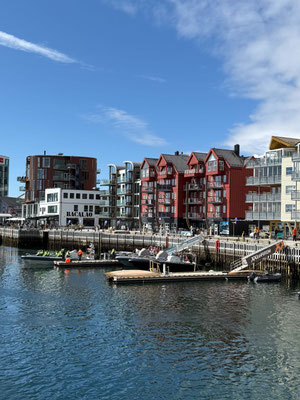
The next morning, in picture-perfect weather, we follow the E10 scenic route. A new photo opportunity awaits around every bend, and of course, everything looks amazing in this light. In Svolvaer, we stop to take photos and enjoy a delicious shrimp sandwich. The town is nestled between steep mountain peaks and the open North Sea and is the unofficial capital of the Lofoten Islands. We continue on a narrow side road all the way to Henningsvar. The town looks like Legoland and offers plenty of beautiful photo opportunities. We take advantage of the beautiful weather on the rooftop terrace of a restaurant with a cold pilsner and delicious fish dishes. We spend the night on the outskirts of town in a large parking lot for 50 euros—making it the undisputed leader in overnight costs, at least so far.
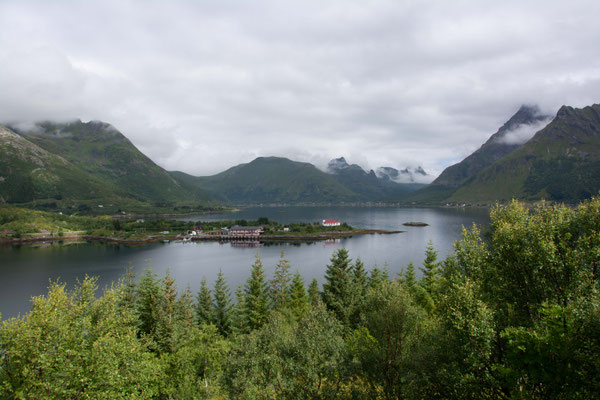
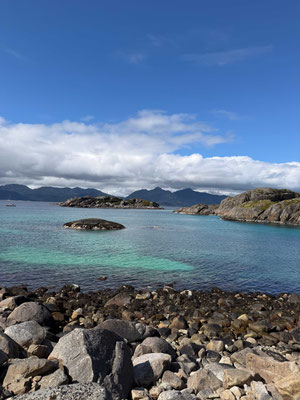
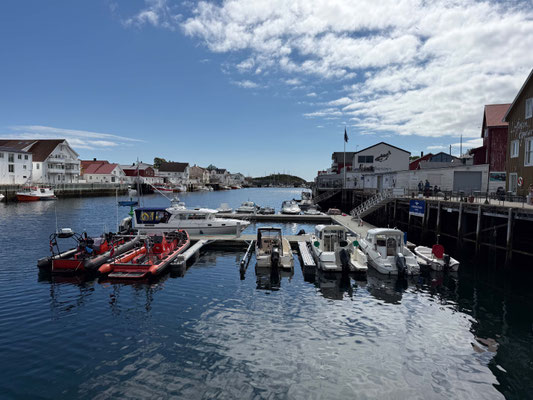
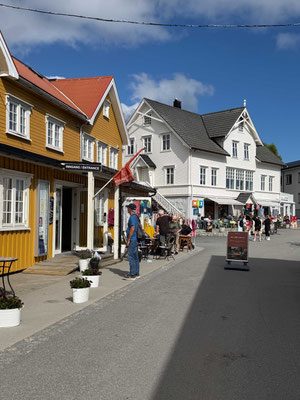
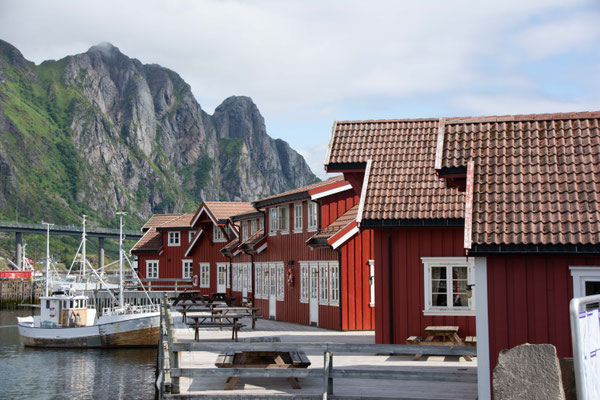
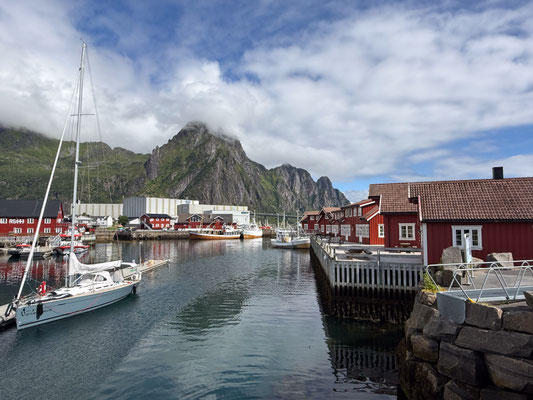
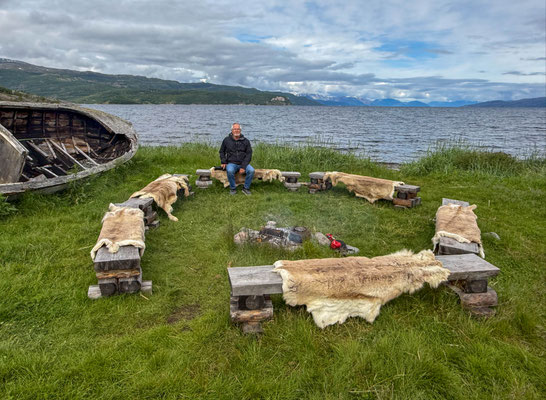
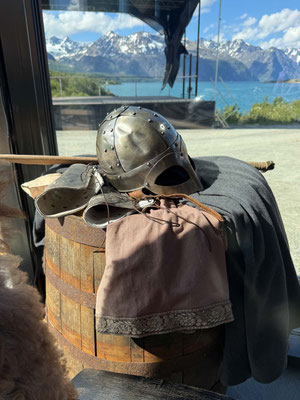
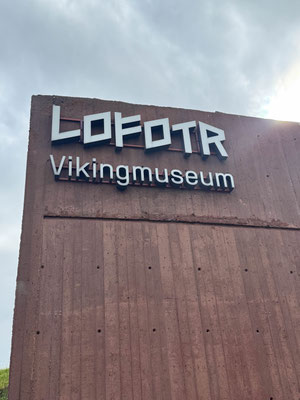
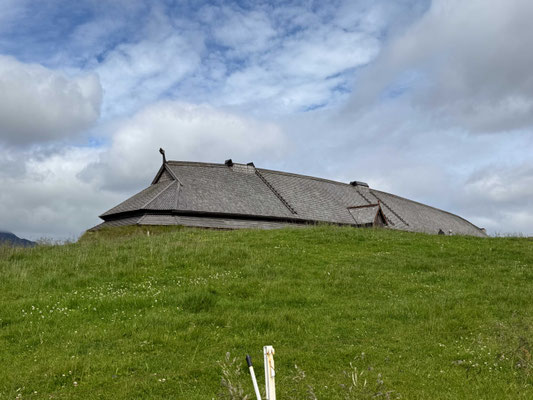
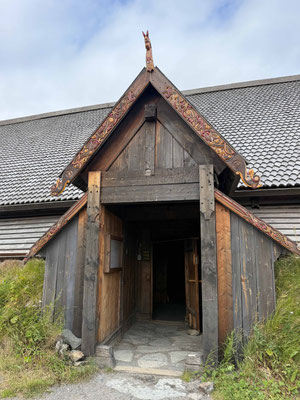
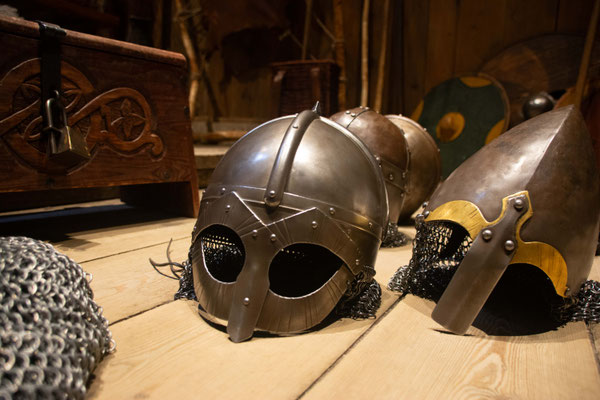
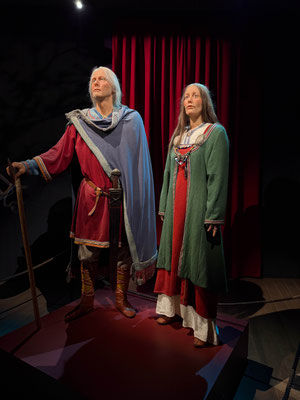
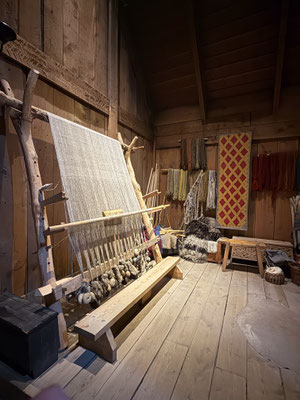
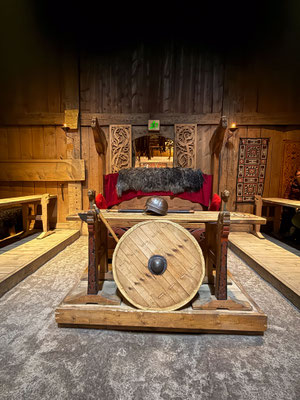
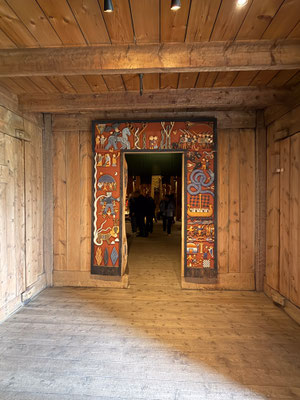
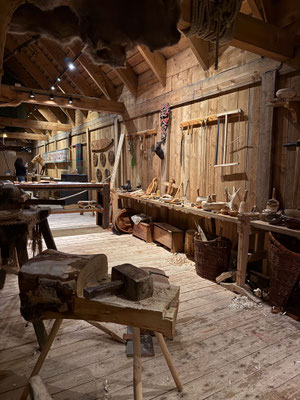
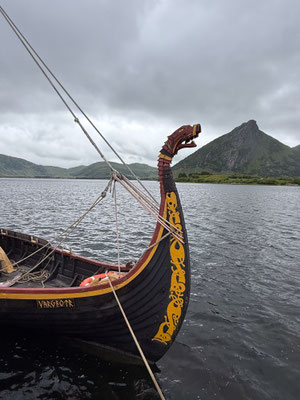
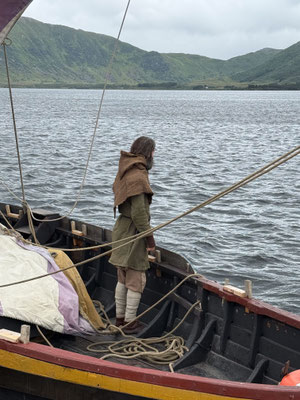
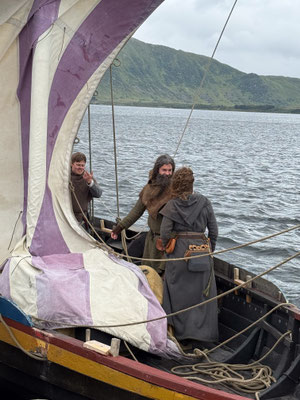
Yesterday’s summer weather is history. The day greets us with heavy clouds and drizzle. On our way lies Nusfjord, one of Norway’s oldest and best-preserved fishing villages. The village is tucked away between steep mountains on a secluded fjord and can only be reached via a narrow access road. Today, the entire village is a listed open-air museum. However, every tourist has this highlight on their bucket list. Given the crowds of RVs and tour buses, we skipped it and visited the Viking Museum instead. Built directly on an archaeological excavation site, the world’s largest known Viking longhouse has been faithfully reconstructed here. The impressive, 83-meter-long building transports visitors straight back to the year 500 AD. Inside, an open fire burns, and artisans in traditional clothing demonstrate historical weaving techniques or prepare traditional Viking stew. Anyone who needs a bit of exercise after a long drive can take a 1.5-kilometer walk to see an old Viking sailing ship and take a cruise on the lake—provided they’ve booked the trip well in advance. For the Vikings, this location was ideal. They could anchor their ships safely in the lake’s calm waters, yet still had direct access via a narrow canal to the Atlantic Ocean for their trade and raiding expeditions.
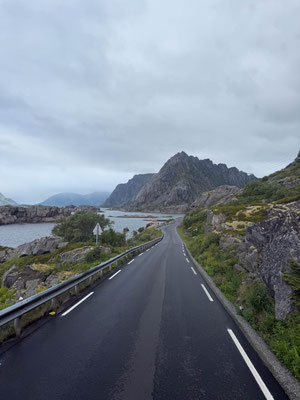
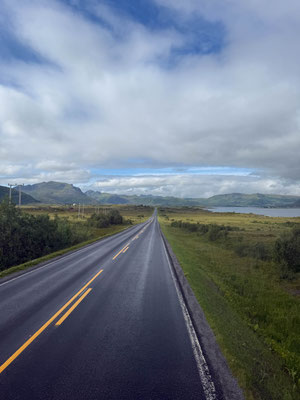
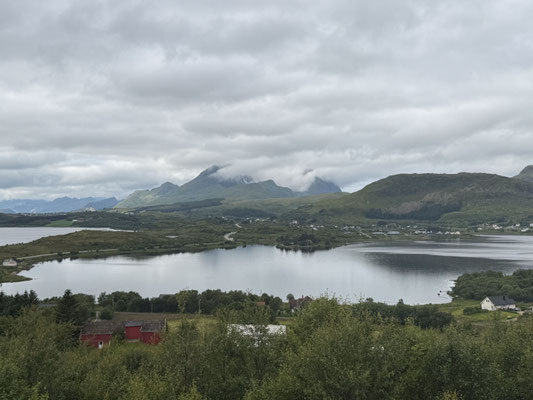
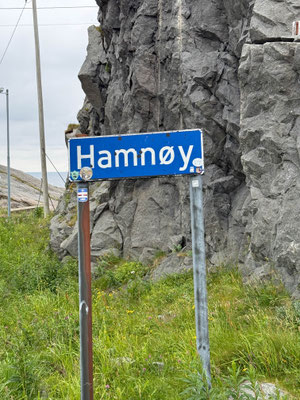
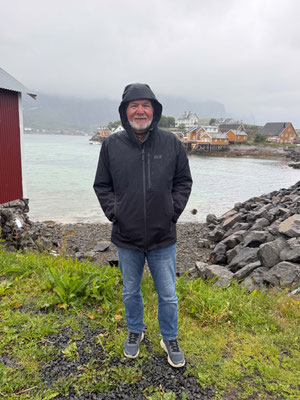
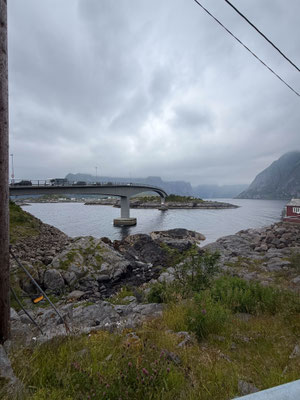
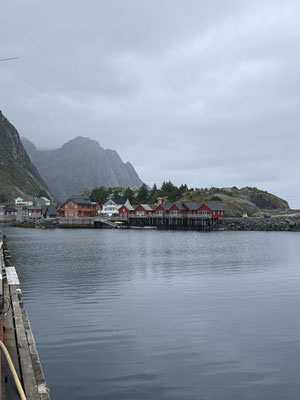
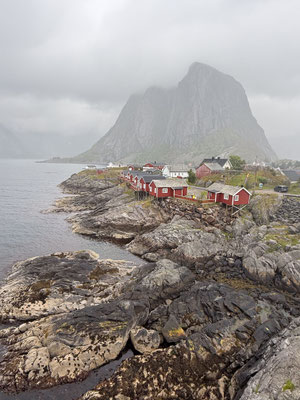
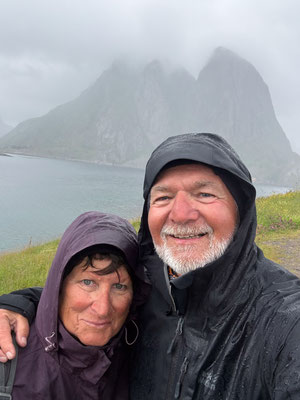
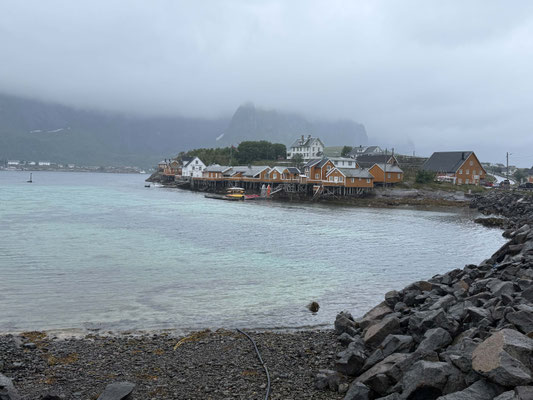
We continue on through narrow streets and tunnels all the way to Hamnoy. Just before the bridge, there’s a small parking lot on the left where we actually manage to find a spot. The drizzle has now turned into steady rain, and good photos are a thing of the past. We brave the wind and weather and walk to Hamnoy and then across the bridge to Sakrisoya. Anita’s Restaurant there is an absolute must-visit for seafood lovers like us. They serve top-notch, freshly prepared fish burgers topped with shrimp. We spend the rest of the rainy day indoors.
The weather forecast for the next few days calls for lots of clouds, fog, and rain, so we leave the Lofoten Islands the next morning and take the ferry to Bodø. As always, you’ll find out what happens next in the next blog post. Until then, enjoy reading and looking at the pictures.
Kommentar schreiben